Fit / THE MARLIN JOURNAL
Room to move, a line to keep
Choose wide-leg trousers by checking the waist, hips, seat and hem, then test the fit while sitting and walking.
Width begins above the knee
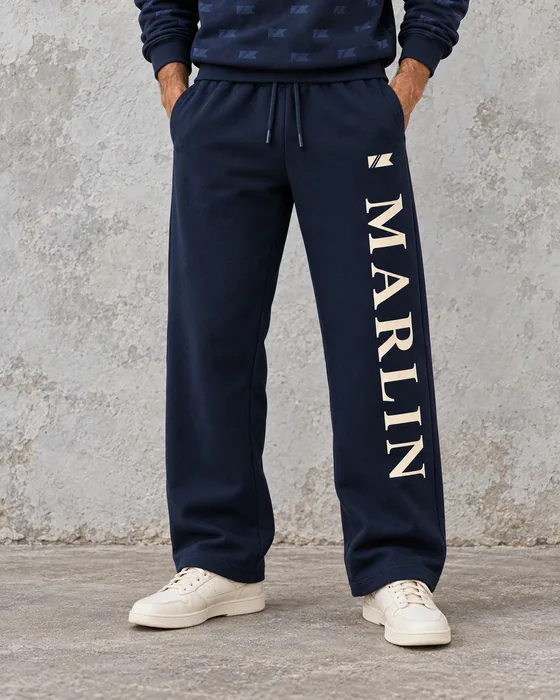
The appeal of wide-leg trousers is the space in the silhouette, but leg width is only one part of fit. A pair can look generous below the knee and still feel restrictive through the hips or seat. Begin your assessment at the top of the garment, then work down. The waist should sit where you want it without making the rest of the trousers feel strained.
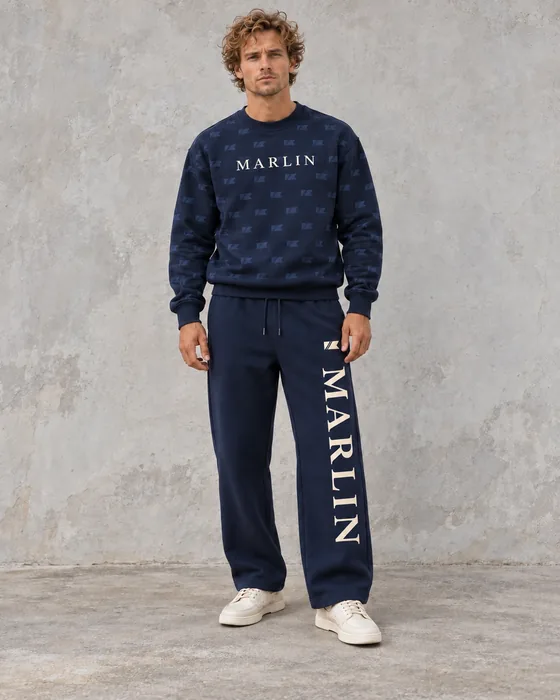
The Harbour Pant has wide, straight legs, a drawcord waist and open hems. Those are the design features to expect. They do not replace a measurement check, and a relaxed description does not tell you how a particular size will feel on your body.
Use the guide as a map
Read the Harbour Pant size guide before measuring. Establish whether a table is showing body measurements or measurements of the garment itself; the two should not be treated as interchangeable. Follow the stated measurement method. If a dimension or its meaning is unclear, resolve that question before choosing a size.
For body measurements, keep the tape level and avoid pulling it tightly. Measure the relevant waist position and the fullest part of the hips, wearing light clothing. If garment dimensions are provided, compare them with a pair you already like, laid flat and measured in the same way. Write down the numbers rather than relying on memory.
A drawcord has a particular job
A drawcord lets you adjust the waist fastening. It does not change the cut through the hips, the depth of the seat or the space around the thighs. If the waist feels secure only when the cord is pulled very tightly, check how the fabric gathers and whether you are happy with that appearance. If the hips feel tight, loosening the cord is unlikely to address the whole problem.
During a try-on, sit on a chair, stand up and take a few normal steps. Notice whether you feel pressure at the waist or a pull across the seat. Check that the waistband stays in a position you find comfortable without repeated adjustment. These observations are more informative than a photograph taken while standing still.
Meet the hem with your usual shoes
Bring the shoes you intend to wear into the fitting process. A hem that clears a broad trainer can meet the floor differently over a flatter shoe. Look from the side, walk across the room and check the fabric behind the heel. Your preferred amount of break is a styling choice; stepping on the hem is a practical issue.
Changing size may change several dimensions at once, so use the listed measurements before sizing up or down to solve length. If you are considering an alteration, discuss the garment's construction and your intended shoes with a tailor before making permanent changes. Do not assume that every open hem can be treated in the same way.
Choose room with intention
A larger size can produce more volume, but it may also move the waist, seat or hem away from the fit you wanted. Decide which part of the silhouette matters most to you. You might prefer a clear waistband with a wide leg, or a looser overall outline. Neither preference needs to be framed as a rule about body shape.
Compare the different designs in the trouser collection using their individual guides. The Harbour Pant, pinstriped Shadowline and ivory-base designs can create different visual effects, even where the descriptions all mention wide legs. Colour and pattern affect the impression; measurements determine the fit.
Complete the fitting, then the outfit
Once the trousers feel right, try the tops you expect to wear most often. A short layer shows more of the waistband. A longer top leaves a continuous, loose outline. View both from several angles and decide which feels natural to you. Avoid changing a comfortable trouser fit simply because one particular top ends at an awkward place.
If you are choosing the Burgee Set, select the crew and trousers independently. Make the same movement checks in the complete outfit, including any outer layer. Before washing or altering a new garment, check the relevant care and return information. A considered fit is a combination of useful measurements, ordinary movement and your own preferred silhouette.
Written by MARLIN Editorial. Product details and size guides are linked throughout this story.
Back to the journal