Style / THE MARLIN JOURNAL
The colours around midnight
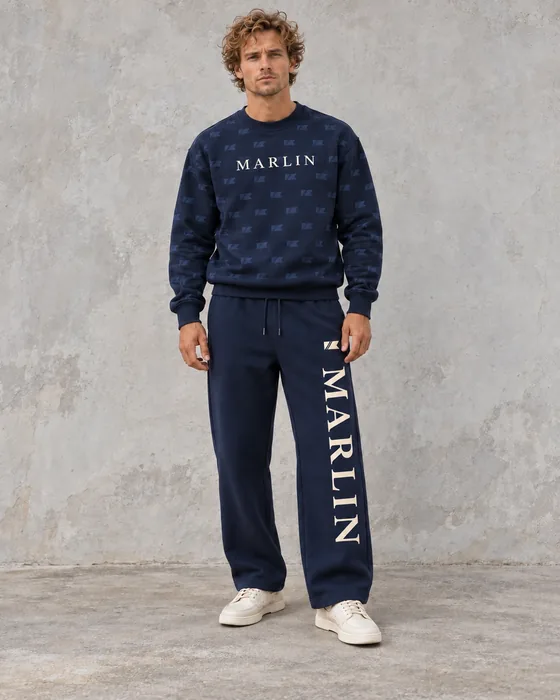
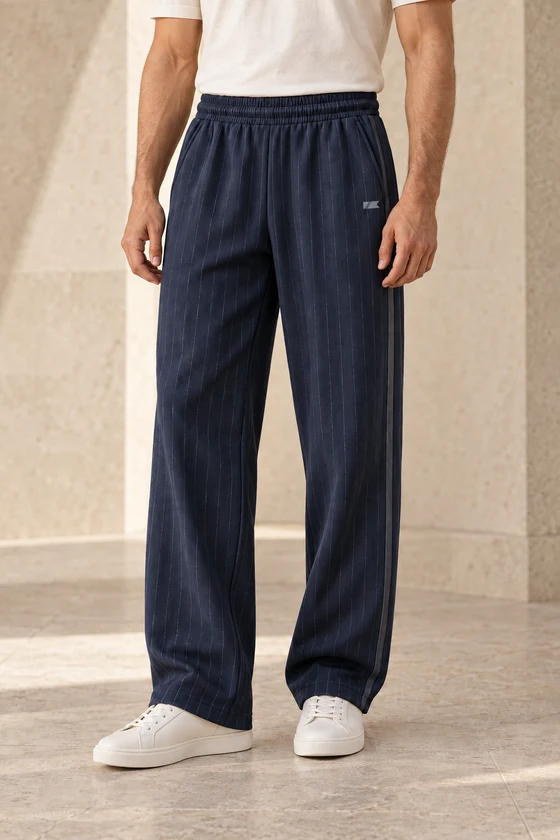
Pair navy with ivory, brown, burgundy and other shades using a small palette, clear contrast and pieces you already own.
Ivory makes a clear opening
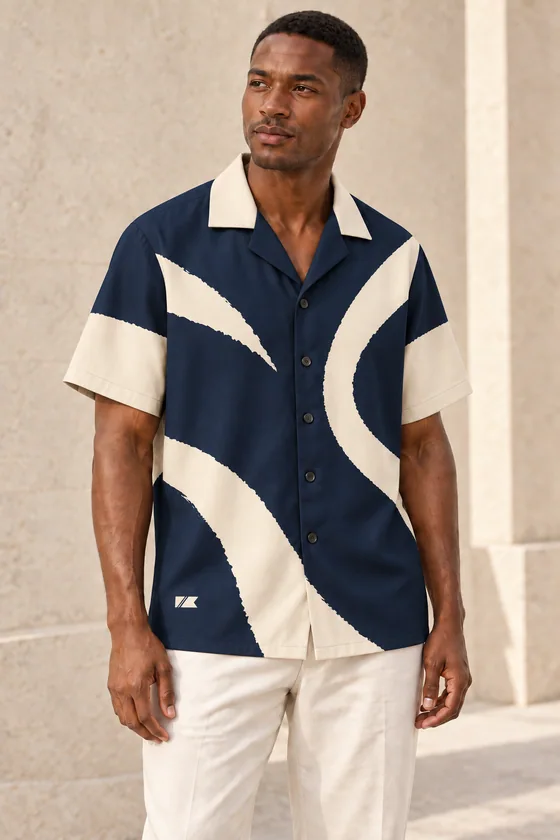
Ivory brings visible contrast without requiring a bright accent colour. Try a navy bottom with an ivory top and shoes in either family. Keep the whites close enough that the combination feels deliberate, but do not turn matching into a hunt for identical shades. Look at the actual garments together; warmer ivory and crisp white can coexist when one is a small detail.
In the T-shirt collection, Ivory Ink has an ivory base and navy brushwork across the lower body and left sleeve. That existing connection can help tie it to navy trousers. Because the brushwork is a visible part of the design, add accessories only after you have seen the complete outline.
Brown changes the temperature
Dark brown beside navy gives the palette a different mood from white beside navy. Start with a brown layer or shoe, leaving the rest of the outfit in navy and a light neutral. A little ivory between the two darker shades can make their separate colours easier to read. Check the result in daylight, particularly if the brown and navy are both deep.
The espresso-brown Espresso Shadow cardigan offers a tonal jacquard pattern, a V neckline and dark ribbed edges. Over a plain light tee and navy trousers, those features can become the upper half's main detail. You do not need another pattern simply because the colours are restrained.
Let burgundy be the single accent
Burgundy works as an accent when you want colour without moving far from a dark palette. Use it on one larger garment or one small accessory, then see whether the outfit needs anything else. Navy trousers, a burgundy top and simple light shoes are an easy combination to test. The same idea works with olive or muted green from your existing wardrobe.
For a larger burgundy element, consider the colour relationship shown by Afterhours. Its oversized shape, tonal burgee repeat and small cream chest flag already give the outfit several details. Keep nearby colours simple if you want the burgundy to remain the main accent.
Two blues need a visible difference
Wearing navy with another blue can feel cohesive, especially when the shades differ enough to be seen. Try a pale blue shirt with midnight trousers, or an ocean-blue accent against a navy base. If two dark blues are almost identical, place them side by side before dressing. You may like the subtle difference, or prefer to introduce a light layer between them.
Black is also a possible partner for navy. Treat it as a choice about contrast, not a forbidden pairing. A black shoe may disappear into a dark hem, while a light shoe creates a stronger endpoint. Compare both and ask which supports the shape you wanted that day.
Make one edit before leaving
Finish the outfit, then look for the colour that appears only once without a clear purpose. It might be a bright bag, a contrasting sock or the lining of an open jacket. Sometimes that unexpected note is the most interesting part. Sometimes removing it allows the navy, ivory and brown to feel more coherent. Make one adjustment instead of starting again.
The coastal essentials collection is a useful place to compare recurring navy, cream and brown combinations. Use it to clarify a palette you can reproduce with your own clothes. The most useful colour scheme is one you remember easily and enjoy wearing across several outfits.
Written by MARLIN Editorial. Product details and size guides are linked throughout this story.
Back to the journal