Style / THE MARLIN JOURNAL
A wardrobe with room for the horizon
Build a coastal capsule around useful layers, navy and light neutrals, with a practical outfit plan for everyday wear and changing plans.

Start with the week you actually have
A coastal wardrobe can begin with colour and atmosphere: navy, ivory, brown, a sense of space. A useful capsule begins with your diary. Write down an ordinary week before choosing clothes. Include work, errands, time outdoors, meals out and travel between them. Add any dress requirements and the footwear each activity needs. This gives the wardrobe a purpose beyond a photograph.
Count the outfits you need between washes, then review what you already own. Keep the pieces you reach for and record the combinations that feel incomplete. A capsule is easier to build when it answers a specific gap, such as a layer for an evening walk or trousers that work with two familiar tops.
Give each piece a clear role
For a starting edit, consider two tops, two bottoms, a mid-layer and the outerwear your plans require. Add underwear, footwear and accessories according to your actual needs. These numbers are a planning tool, not a target. If you wear a fresh tee every day, two will not serve a long interval between washes. If you rarely wear a jacket indoors, do not count it as your main extra top.
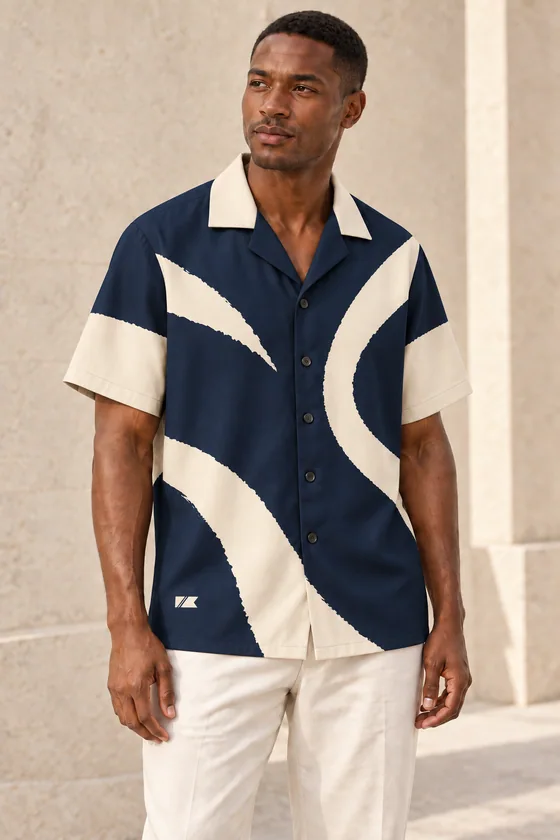
The Ivory Ink can illustrate the role of a light top: an oversized ivory T-shirt with navy brushwork. Before choosing anything new, ask which of your bottoms it would accompany and whether its shape works under your intended layer.
Allow one layer to change the mood
A cardigan, crewneck or hoodie can alter the same base outfit without replacing it. Pick the layer you would naturally take off and carry during your day. Check the neckline with your chosen tees and the sleeve room beneath your jacket. A capsule benefits from layers that work together physically, as well as visually.
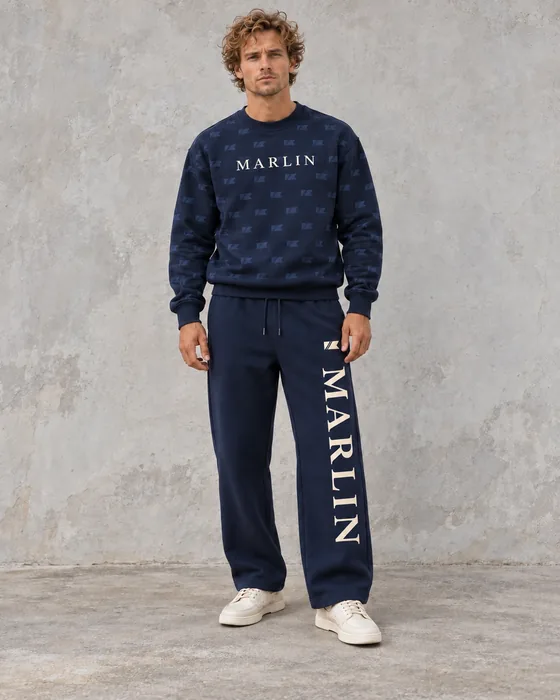
The Espresso Shadow shows how brown can sit alongside navy and ivory. Its button front lets you compare open and closed arrangements, while the tonal jacquard introduces pattern within a limited palette. Try the same exercise with a cardigan you own: one tee, one trouser, two ways of wearing the layer.
Build combinations before a shopping list
Lay out three complete outfits: one for a routine day, one for your most common social plan and one for a longer stretch away from home. Include shoes and any outerwear. If an outfit only works with an item you do not have, put that item on a separate list and see whether another existing piece can perform the same job.
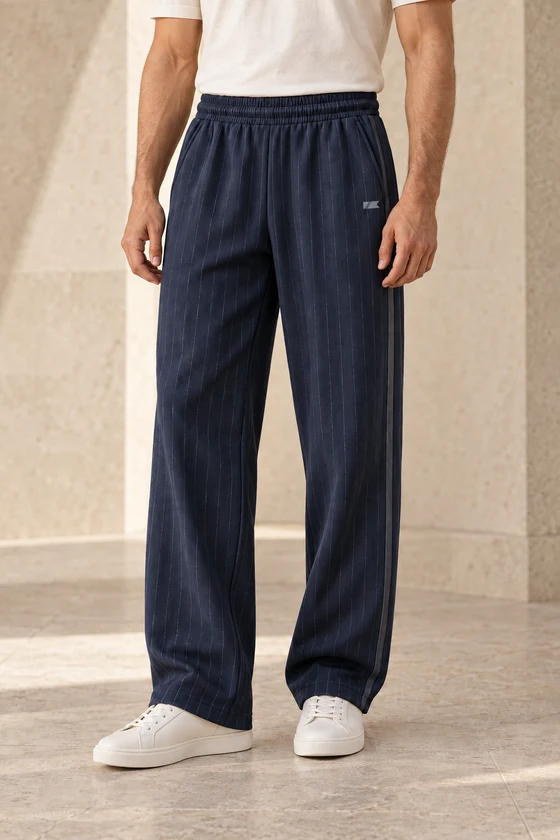
For bottoms, compare the trouser collection by colour, pattern and listed measurements. A plain navy pair and an ivory pair may offer more distinct combinations than two similar dark pairs. That is a wardrobe question, not a universal rule. Choose what supports the outfits you actually recorded.
Leave room for the real coast
Coastal styling does not establish weather protection. If your plans involve rain, cold, strong sun or time on the water, select suitable protective clothing and equipment according to those conditions. A navy colour, a flag motif or a roomy layer should not be treated as a technical performance specification.
Revisit the capsule after wearing it for a week. Notice what stayed on the hanger, what you needed twice and which combinations felt natural. Adjust one piece at a time. The result should feel like a wardrobe you can live in: a small set of reliable decisions, with enough room for changing plans and the clothes that make you feel like yourself.
Written by MARLIN Editorial. Product details and size guides are linked throughout this story.
Back to the journal