Care / THE MARLIN JOURNAL
A considered rhythm of care
Build a practical care routine around each garment's label, with thoughtful sorting, attention to printed details and suitable storage.
Begin with the label in your hand
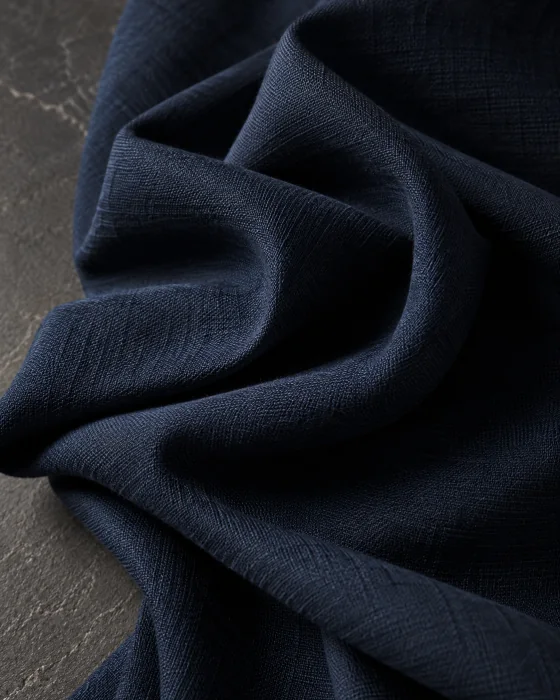
The most useful care advice is attached to the garment. Read its label before the first wash and again if you are unsure about a symbol. Note the permitted washing method, temperature, drying method and ironing instructions. Product descriptions can provide context, but the instructions on the actual piece should guide its care. Do not replace them with a routine borrowed from a similar-looking garment.
The Burgee Crew, for example, is listed as recycled polyester and elastane fleece, while other MARLIN pieces use different fabrics. Even where colours and motifs connect them, they should not automatically enter the same wash or receive the same treatment.
Sort by instructions as well as colour
Before making a load, check that the garments share a compatible washing method. Then consider colour, surface detail and any specific restrictions on the labels. Empty pockets and inspect closures. Prepare each piece as its instructions require, rather than turning everything inside out or fastening every closure by habit. If the guidance is unclear, ask for clarification before starting a machine cycle.
Choose a detergent and any additional treatment that are suitable for the garment and consistent with the label. Follow the product's own directions for use and quantity. Avoid adding bleach, stain treatments or fabric products simply because they are part of your usual routine; check whether the specific piece permits them.
Treat a mark as a separate decision
When you notice a spill or mark, identify the affected area and check the care instructions before treating it. Follow any permitted spot-cleaning guidance and the directions of the treatment product. Do not assume that aggressive rubbing, a strong solvent or repeated washing will be appropriate. If you cannot establish a suitable method, seek advice rather than escalating the treatment.
A printed flag, lettering or broad colour panel deserves the same attention as the fabric around it. For a tee such as Ivory Ink, read the label before washing, drying or applying heat. The presence of cotton in a description does not establish a universal temperature or ironing method.
Give knitwear its own check
Check a knitted garment's label for washing and drying instructions before treating it like a sweatshirt. The Espresso Shadow cardigan is a cotton and polyester jacquard knit with a button front and ribbed edges. Its product information calls for gentle care and following the garment label; that wording should not be turned into an invented machine programme.
If the label permits a particular drying arrangement, follow it and support the piece as directed. When considering storage, folding can be a useful option for a knit if it suits the garment. Avoid forcing it into a cramped space or choosing a hanger that distorts the outline. Keep buttons and edges lying comfortably.
Make storage part of the routine
Put clothes away clean and dry, with room to retrieve them without pulling at a neck or sleeve. Fold items you prefer to store flat, and choose hangers that suit the pieces you hang. A drawer or shelf is easier to use when you can see the available garments. This also helps you notice the item that needs attention before you want to wear it.
For accessories, check their own instructions. A cap's care method should not be inferred from a cotton tee's method. Separate anything still damp from the rest of the wardrobe until it is dry. Before longer storage, inspect the garment, read any relevant guidance and choose a clean, dry place.
Keep a small record, then return to wearing
If you regularly hesitate over a particular label, save a clear photograph of it and keep any verified care guidance alongside it. This is especially helpful when the wardrobe contains several materials or similar colours. Make your routine from those actual instructions. A reliable system can be simple: check the label, prepare the garment, follow the permitted method, then store it appropriately.
When comparing the knitwear collection or adding another piece, include care requirements in the decision. Choose something whose routine you can realistically follow. The purpose of care is to support ordinary wear, with enough attention to the individual garment that washing and storage become considered decisions instead of guesses.
Written by MARLIN Editorial. Product details and size guides are linked throughout this story.
Back to the journal